Resources
GNSS resilience, anti-jamming & anti-spoofing insights for defense, aviation, and critical infrastructure.
Browse by topic
Guides & Fundamentals
Start here — the core explainers our readers keep coming back to.
-

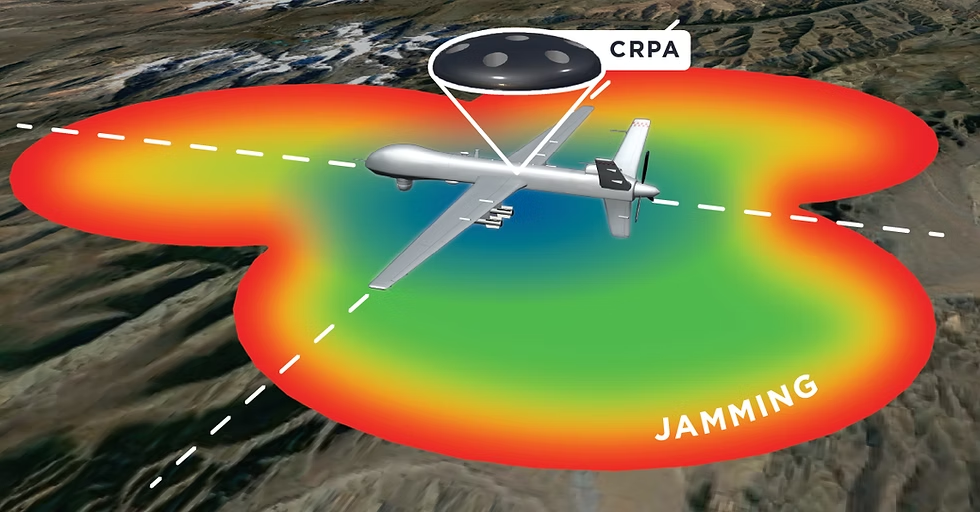
What Is a CRPA Antenna? (vs Regular GPS Antenna)
Read More: What Is a CRPA Antenna? (vs Regular GPS Antenna)A CRPA antenna uses adaptive nulling to defeat GNSS jamming. Learn what a CRPA is, how it works, how it differs from a regular GPS antenna, what it cannot do, and which element count fits…
-

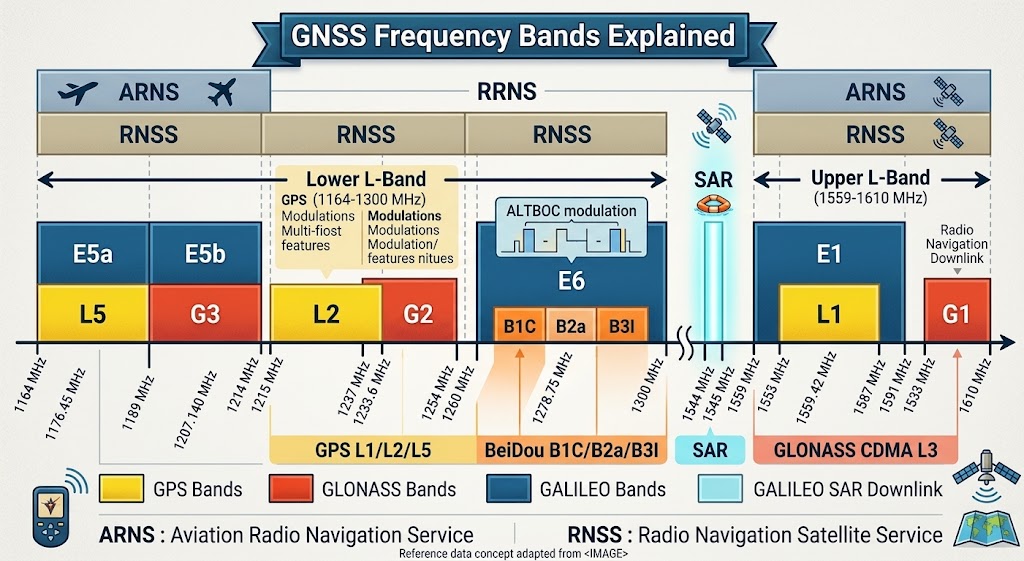
GNSS Frequency Bands Explained: GPS L1/L2/L5, Galileo E5a/E5b, BeiDou B1C/B2a/B3I & GLONASS CDMA L3
Read More: GNSS Frequency Bands Explained: GPS L1/L2/L5, Galileo E5a/E5b, BeiDou B1C/B2a/B3I & GLONASS CDMA L3GNSS frequency bands explained for antenna selection: GPS L1/L2/L5, Galileo E5a/E5b, BeiDou B1C/B2a/B3I, GLONASS CDMA L3. Why multi-band CRPA nulling beats frequency diversity under jamming.
-

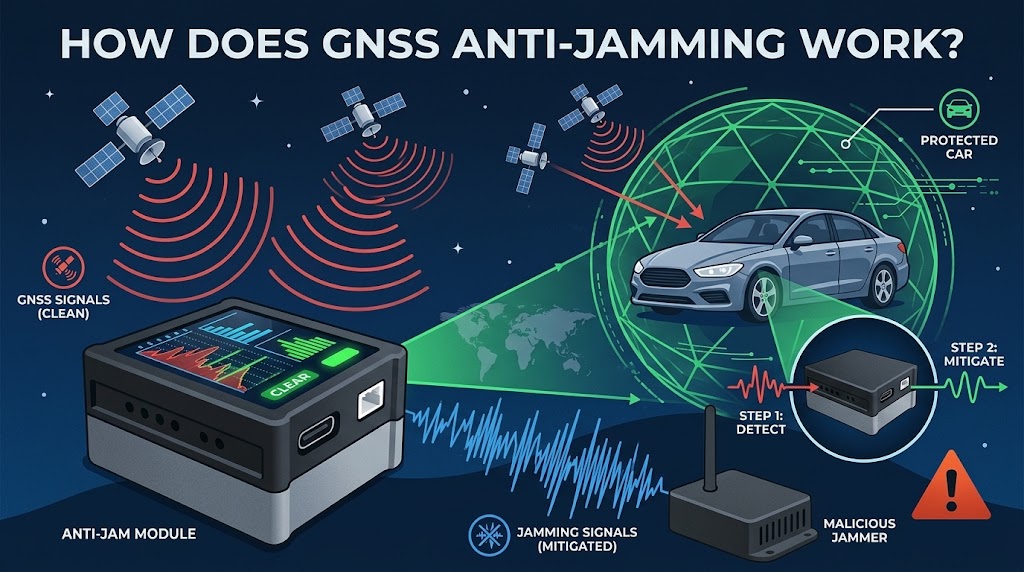
How Does GNSS Anti-Jamming Work?
Read More: How Does GNSS Anti-Jamming Work?GNSS anti-jamming techniques explained: adaptive nulling, filtering, multi-constellation diversity, and anti-spoofing cross-checks for resilient PNT, plus how they combine in a receiver chain.
Latest Articles
New analysis, product notes, and field reports — published as they land.
-

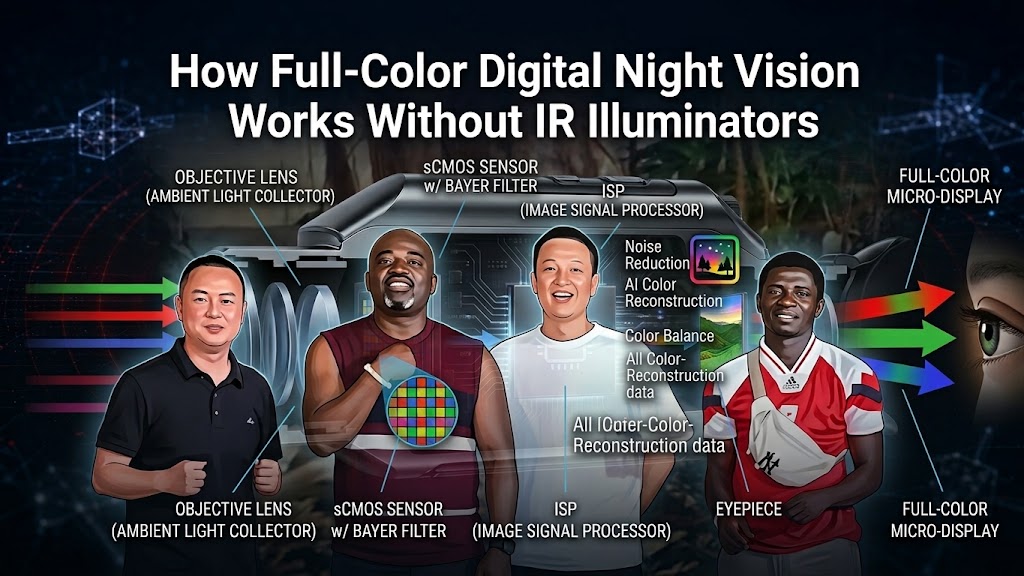
How Night Vision Works Without IR Illuminators
Read More: How Night Vision Works Without IR IlluminatorsPassive night vision captures ambient light using ultra-sensitive CMOS sensors, eliminating the covert risk and short range of infrared illuminators.
-

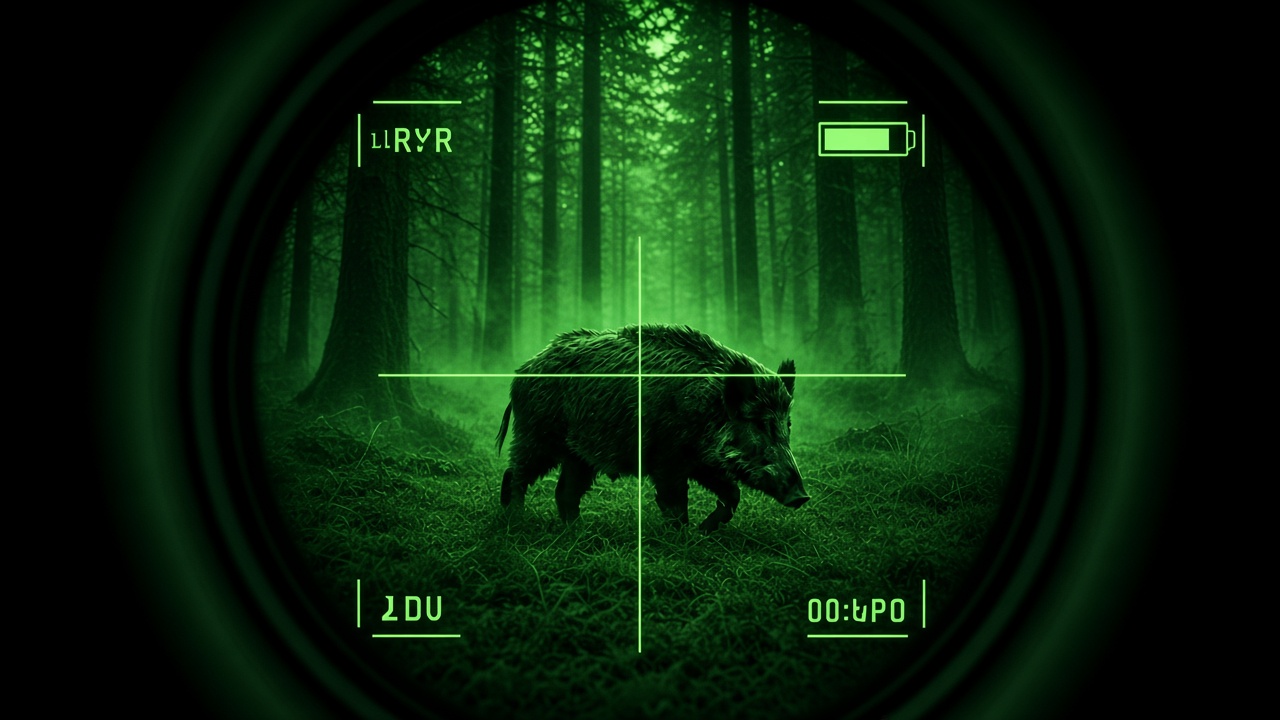
The Complete Guide to Full-Color Night Vision (2026)
Read More: The Complete Guide to Full-Color Night Vision (2026)Full-color night vision uses ultra-low-light CMOS sensors to deliver color detail in near-darkness. Learn how it works, how it compares to thermal and green NVG, and what specs matter for SAR, security, and marine use.
-

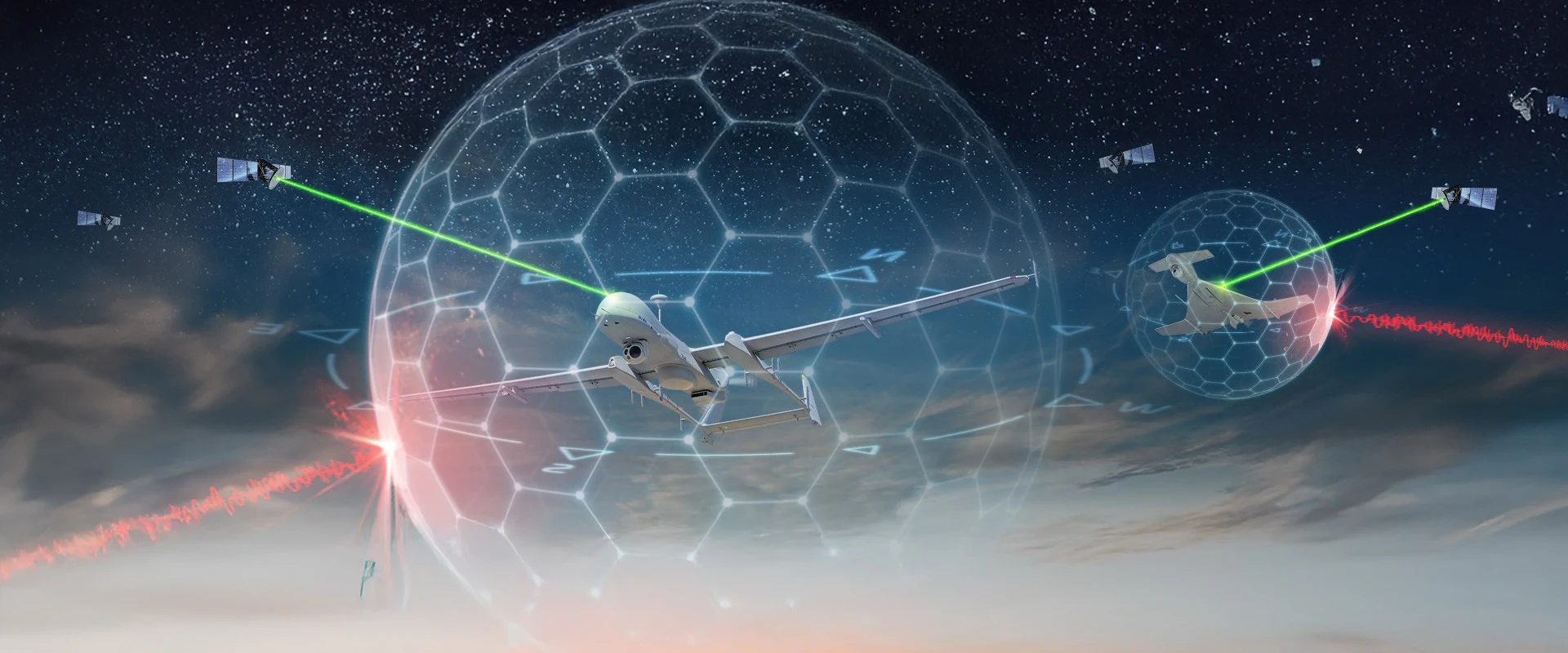
Protecting Civilian UAVs from GNSS Jamming (Low-Altitude Security)
Read More: Protecting Civilian UAVs from GNSS Jamming (Low-Altitude Security)Civilian drones depend on GNSS for navigation and RTH. Learn low-altitude security: CRPA for UAVs, spoofing defense, and fail-safe when the signal drops.
-
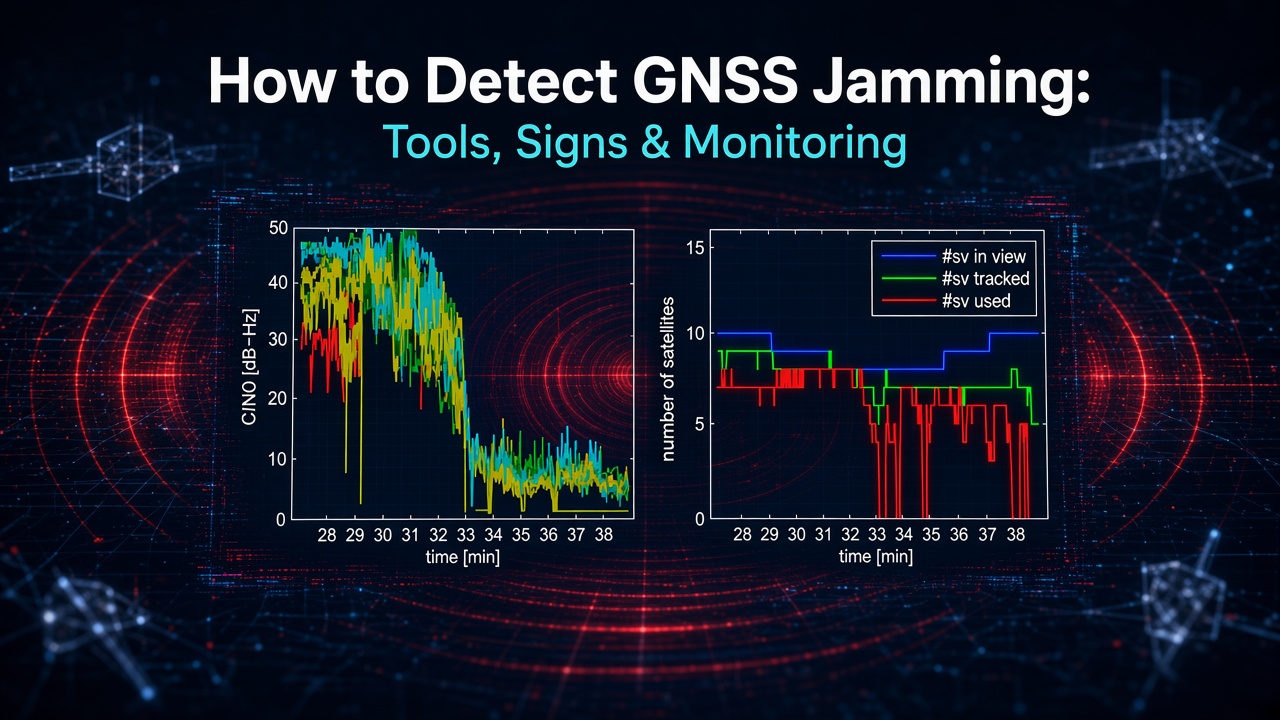
How to Detect GNSS Jamming: Tools, Signs & Monitoring
Read More: How to Detect GNSS Jamming: Tools, Signs & MonitoringDetect GNSS jamming before it costs you: warning signs, RF monitoring tools, interference maps, and when to add a CRPA or detector.
-

GNSS Receiver: The Complete Guide (Types, Bands & Anti-Jam Options)
Read More: GNSS Receiver: The Complete Guide (Types, Bands & Anti-Jam Options)A practical GNSS receiver guide: single- vs multi-constellation, L1/L5 bands, RTK vs standard, and how to add anti-jam and spoofing protection for industrial and UAV use.
-
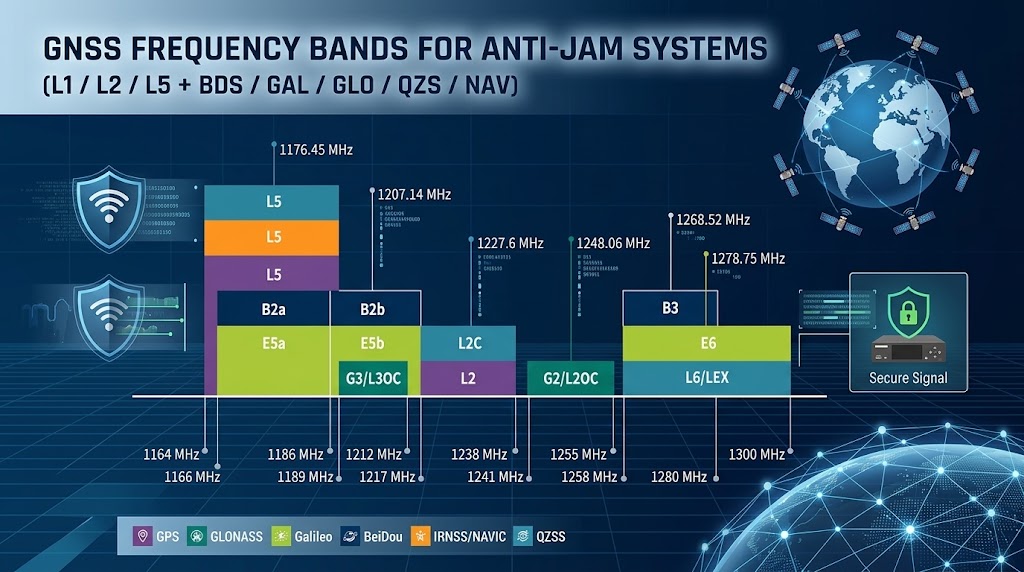
GPS & GNSS Frequency Bands for Anti-Jam Systems (L1/L2/L5 + BDS/GAL)
Read More: GPS & GNSS Frequency Bands for Anti-Jam Systems (L1/L2/L5 + BDS/GAL)Which GNSS bands matter for anti-jam design? A practical look at L1/L2/L5, BeiDou B1/B2/B3, Galileo E1/E5 and GLONASS, and why multi-band helps resilience.