
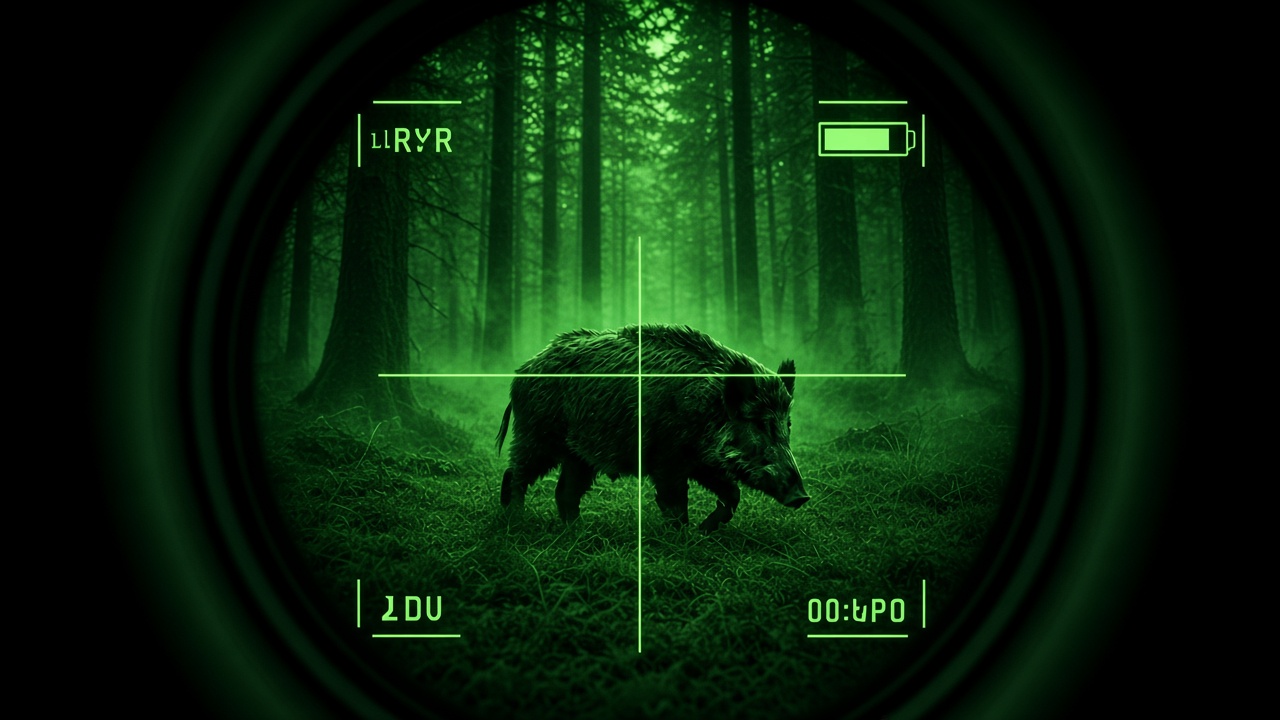
Most people still picture night vision as a grainy green screen. That image is decades old. Today, full-color night vision uses ultra-low-light CMOS sensors to deliver near-daylight color detail in conditions where the human eye sees almost nothing. For professionals in search and rescue, perimeter patrol, and field observation, this shift matters because color carries information green phosphor tubes simply cannot.
In this guide, we explain how full-color night vision differs from traditional image intensifier tubes and thermal cameras, what specifications actually affect performance, and which use cases benefit most. If you are evaluating a device, our NT-C11 Full-Color Night Vision is built around the same principles covered here.
How Full-Color Night Vision Works
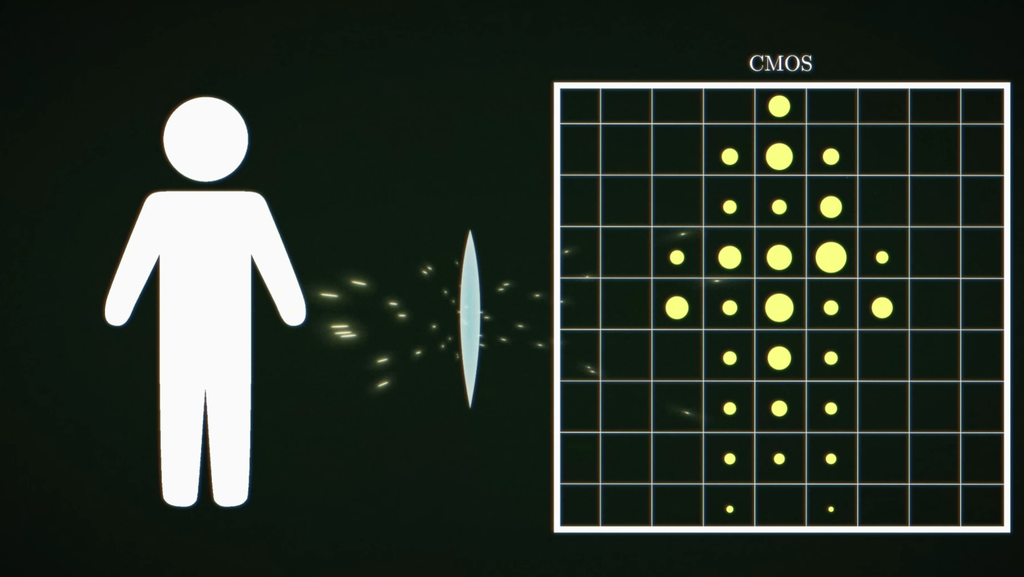
Traditional night vision goggles amplify tiny amounts of ambient light through a vacuum tube and render the scene in green. The green tint is a byproduct of the phosphor screen, not the scene itself. Full-color night vision, by contrast, treats darkness as a low-light photography problem. A large-pixel, back-illuminated CMOS sensor collects photons across the visible spectrum, and the onboard processor reconstructs color and contrast in real time.
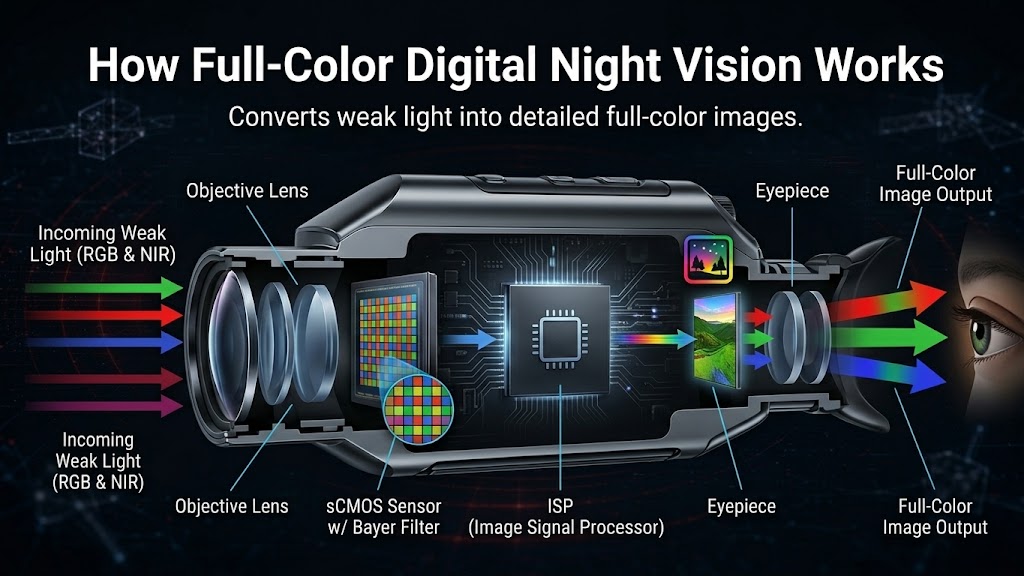
The practical advantage is context. A red jacket stays red. A blue vehicle stays blue. Reflections on water, blood trails, clothing patterns, and terrain texture remain recognizable. This is why SAR teams and observers increasingly prefer color when identification, not just detection, is the goal.
Full-Color Night Vision vs Thermal vs Green NVG
| Technology | What it sees | Best for | Limitation |
|---|---|---|---|
| Full-Color Digital NV | Visible-light color detail | Identification, navigation, evidence | Needs some ambient light |
| Image Intensifier (Green) | Monochrome green image | Detection, close-quarters | No color; blooms in bright light |
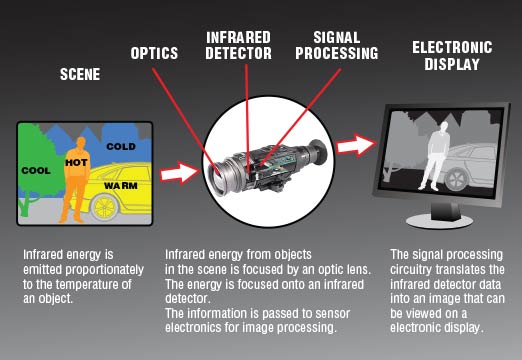
| Thermal Imaging | Heat signatures | Concealment penetration, foliage | Cannot read text or see through glass |
Key Specifications That Matter
- Minimum illumination: Expressed in lux. 0.001 lx means the device can form an image under starlight with no moon.
- Field of view (FOV): A wider diagonal FOV (around 40°+) helps with situational awareness.
- Refresh rate: 50 Hz produces smooth motion; 25 Hz can feel stuttery when tracking movement.
- Weight & power: A sub-300 g device with a standard 18650 battery is far easier to wear or pack for long operations.
- Environmental sealing: IP66 handles rain, dust, and maritime spray.
The NT-C11 checks these boxes with a 0.001 lx sensor, 42.5° diagonal FOV, 50 Hz output, 285 g body, and IP66 sealing. It is built as an observation-first device for field teams who need real-time color awareness without carrying extra illumination.
Who Benefits Most from Full-Color Night Vision
- Search and rescue: Color helps distinguish clothing, terrain, and casualties faster.
- Perimeter security: No IR illuminator means no tell-tale glow to reveal the observer.
- Maritime navigation: Buoy colors, channel markers, and deck hazards remain readable at night.
- Wildlife and field observation: Natural color preserves species identification and behavior detail.
FAQ
Full-color night vision uses a digital CMOS sensor to capture and display color images in very low light, rather than the monochrome green image produced by traditional image intensifier tubes.
No. High-sensitivity full-color devices like the NT-C11 operate on ambient light alone, which keeps the observer covert and avoids the short range of IR illuminators.
It is better for identification, reading, and navigation, but thermal is better for detecting heat through camouflage, smoke, or light foliage. Many teams use both.
Color is the reason identification tasks keep moving to this class of device. The NT-C11 applies the approach in a field-ready package; its spec sheet is the fastest way to check whether it fits your mission.