Resources
GNSS resilience, anti-jamming & anti-spoofing insights for defense, aviation, and critical infrastructure.
Browse by topic
Guides & Fundamentals
Start here — the core explainers our readers keep coming back to.
-

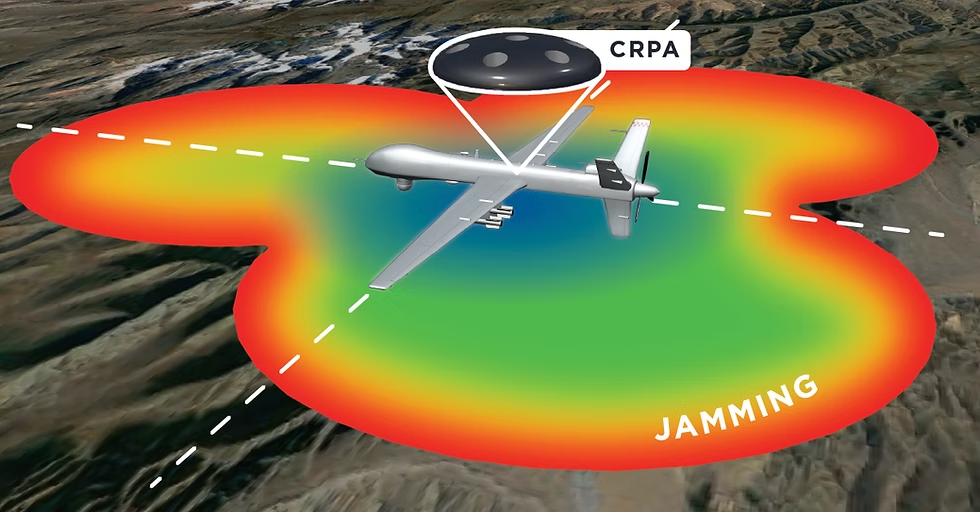
What Is a CRPA Antenna? (vs Regular GPS Antenna)
Read More: What Is a CRPA Antenna? (vs Regular GPS Antenna)A CRPA antenna uses adaptive nulling to defeat GNSS jamming. Learn what a CRPA is, how it works, how it differs from a regular GPS antenna, what it cannot do, and which element count fits…
-

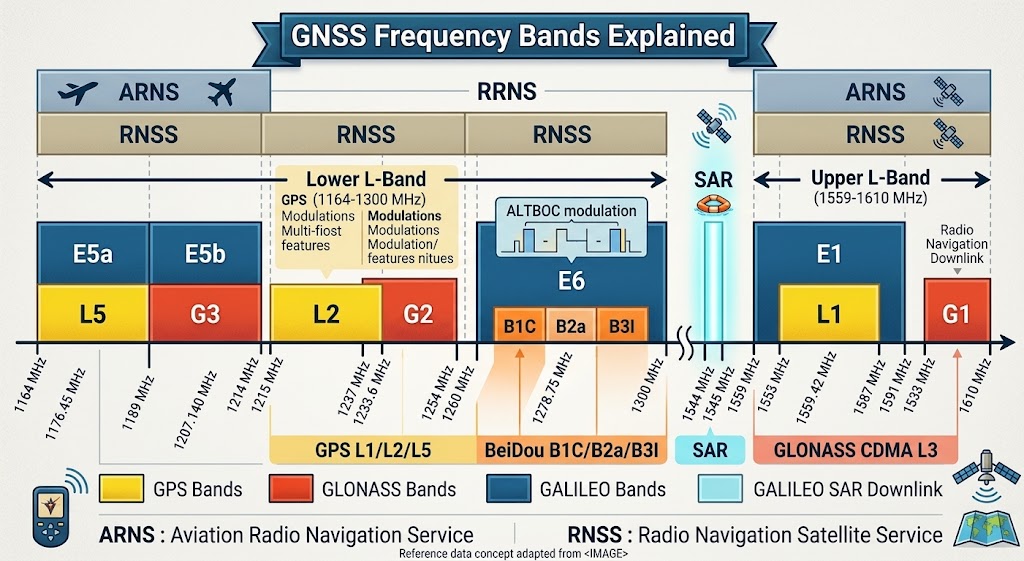
GNSS Frequency Bands Explained: GPS L1/L2/L5, Galileo E5a/E5b, BeiDou B1C/B2a/B3I & GLONASS CDMA L3
Read More: GNSS Frequency Bands Explained: GPS L1/L2/L5, Galileo E5a/E5b, BeiDou B1C/B2a/B3I & GLONASS CDMA L3GNSS frequency bands explained for antenna selection: GPS L1/L2/L5, Galileo E5a/E5b, BeiDou B1C/B2a/B3I, GLONASS CDMA L3. Why multi-band CRPA nulling beats frequency diversity under jamming.
-

How Does GNSS Anti-Jamming Work?
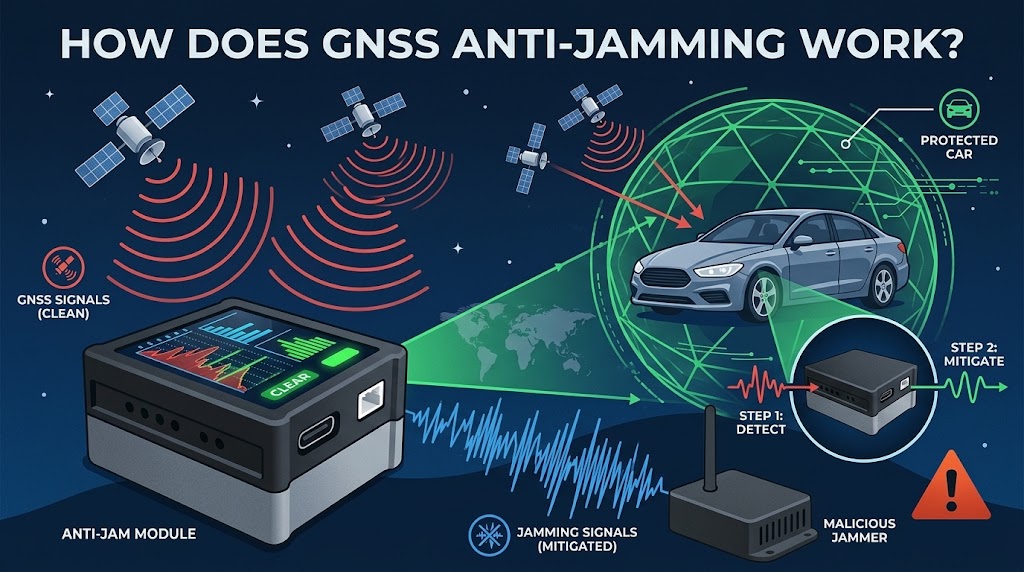
Read More: How Does GNSS Anti-Jamming Work?GNSS anti-jamming techniques explained: adaptive nulling, filtering, multi-constellation diversity, and anti-spoofing cross-checks for resilient PNT, plus how they combine in a receiver chain.
Latest Articles
New analysis, product notes, and field reports — published as they land.
-

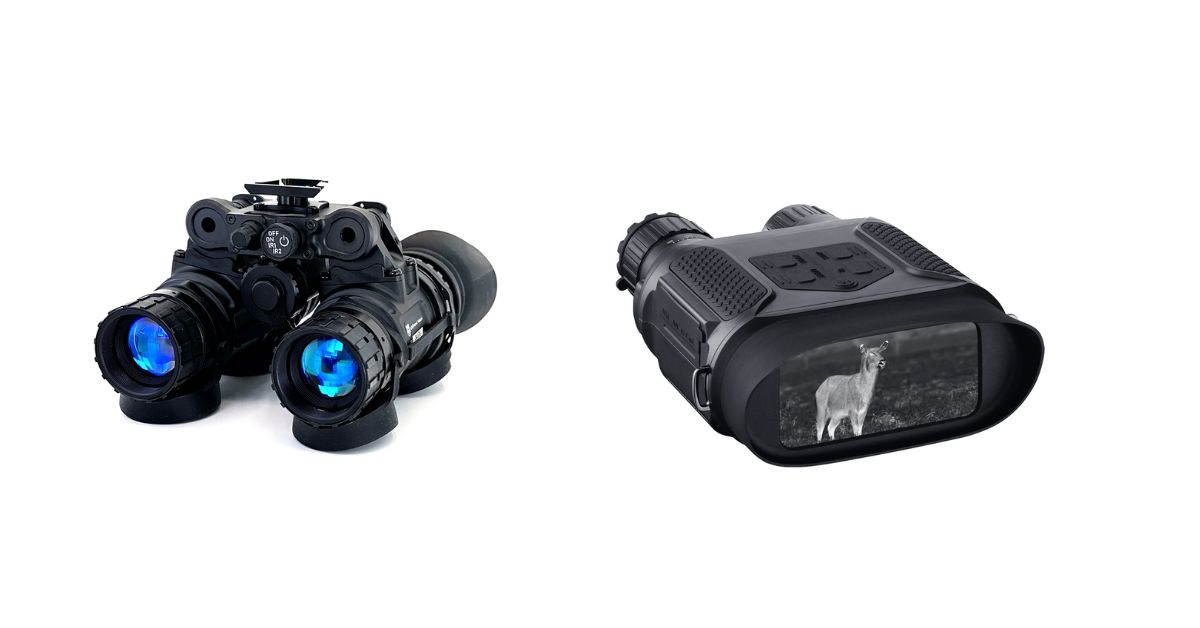
Night Vision Binoculars vs Goggles: Which Should You Buy?
Read More: Night Vision Binoculars vs Goggles: Which Should You Buy?Binoculars are best for stationary observation; goggles free your hands for movement. A monocular viewer can bridge both roles.
-

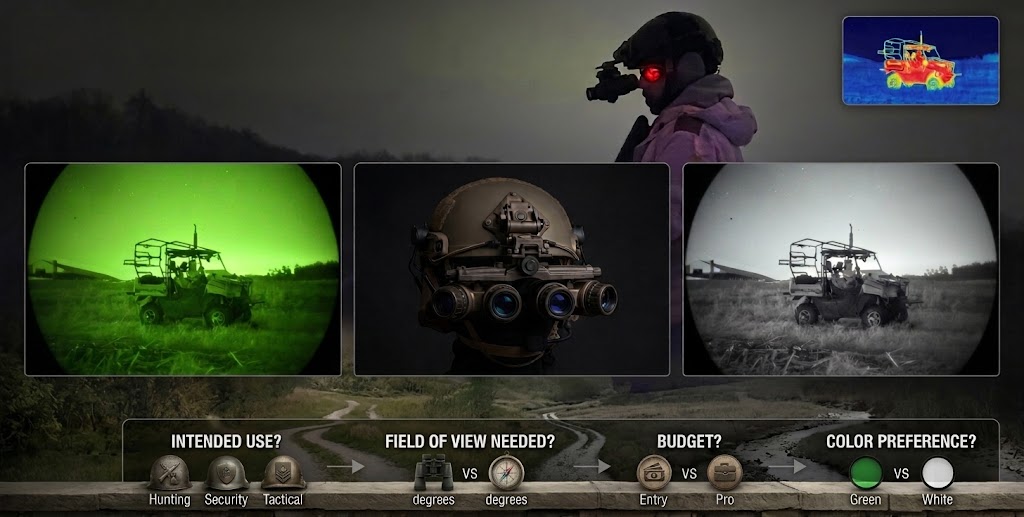
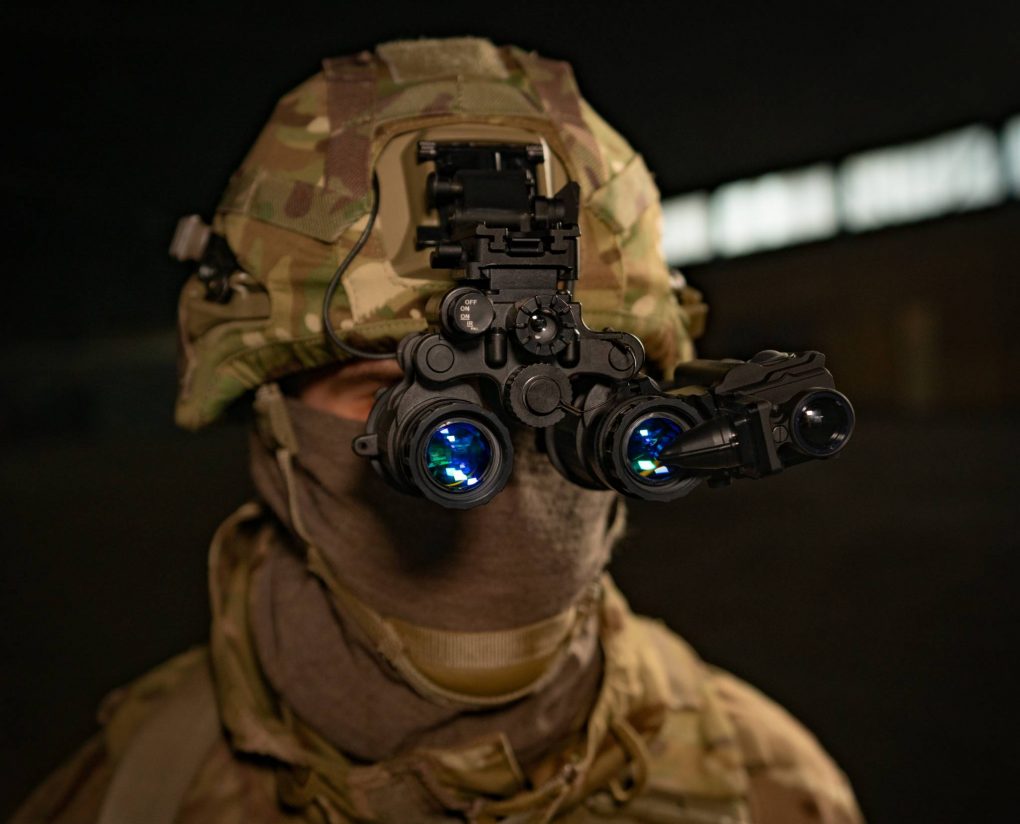
Night Vision Goggles: Types, Specs & How to Choose
Read More: Night Vision Goggles: Types, Specs & How to ChooseImage intensifier, digital, or thermal fusion? We decode the specs and help you choose night vision goggles that match your mission.
-

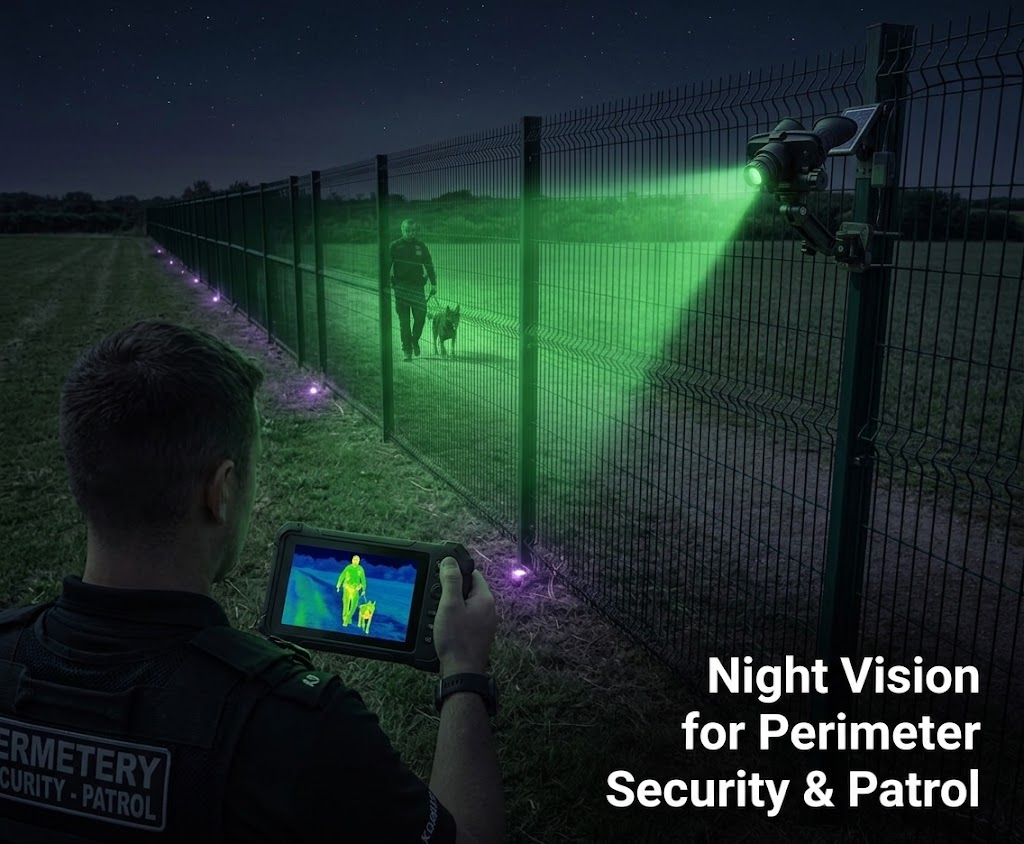
Night Vision for Perimeter Security & Patrol
Read More: Night Vision for Perimeter Security & PatrolPassive full-color night vision helps security teams observe covertly without an IR glow. Learn how to deploy it for mobile patrol and fixed observation posts.
-

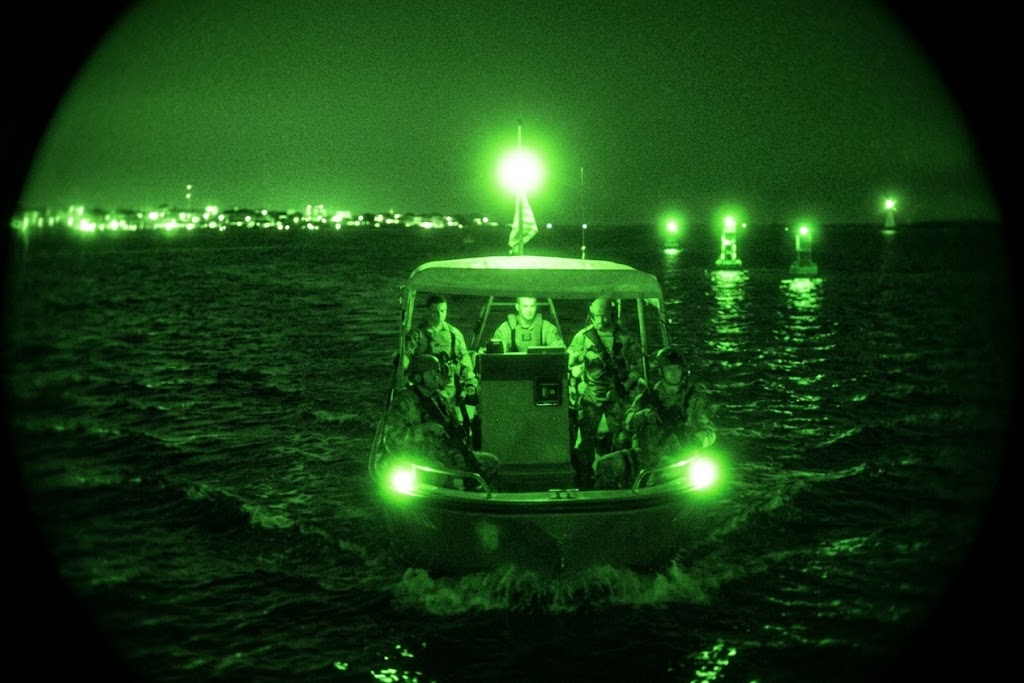
Marine Night Vision: Night Navigation on the Water
Read More: Marine Night Vision: Night Navigation on the WaterOn the water, color night vision preserves buoy and marker identification while avoiding the glare of IR illuminators. Here’s what boat operators need.
-

Best Night Vision for Search & Rescue Operations
Read More: Best Night Vision for Search & Rescue OperationsSearch and rescue teams need night vision with long detection range, color identification, low weight, and no IR signature. Here’s what to look for.
-

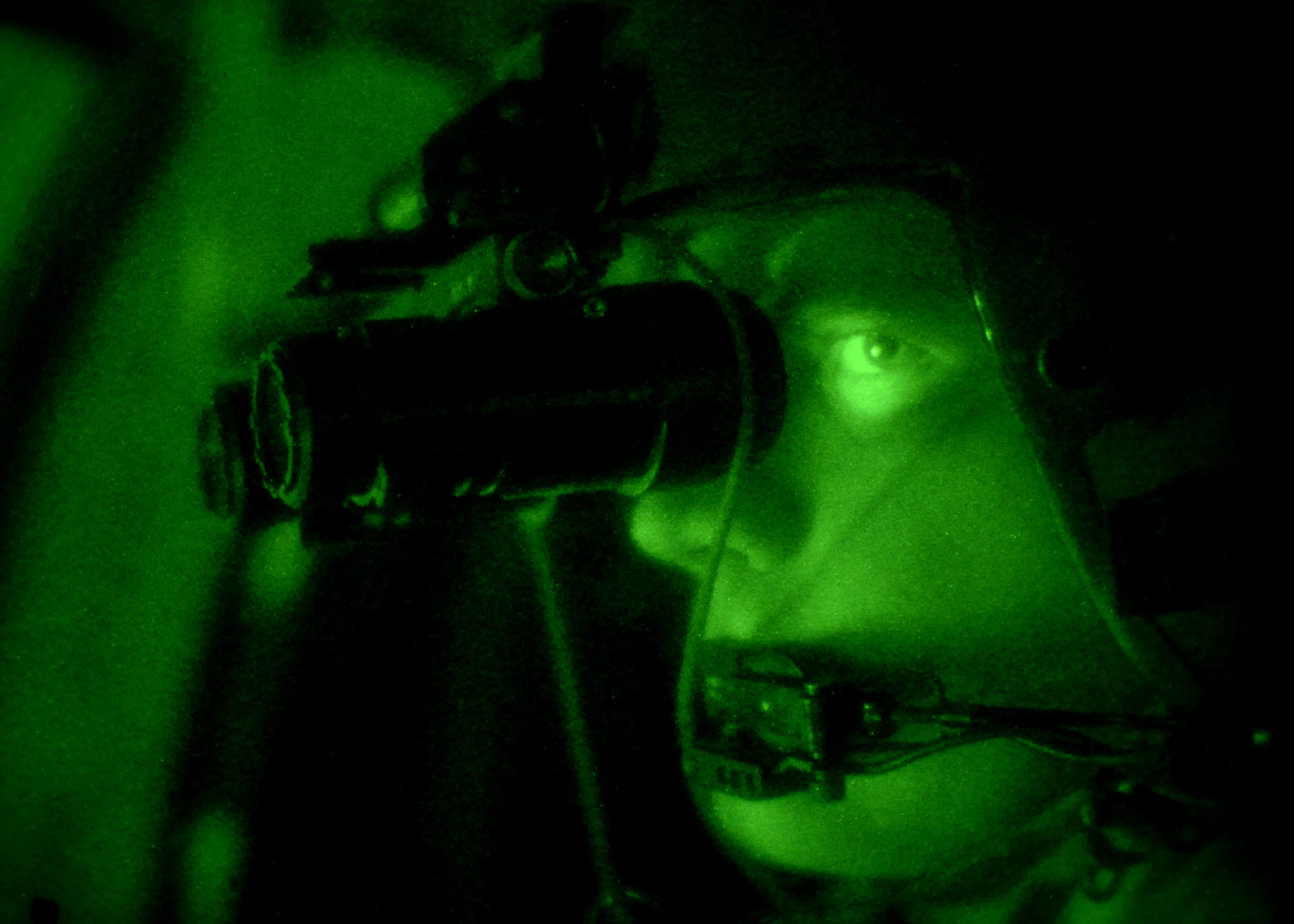
What Is a Night Vision Viewer? Handheld Devices Explained
Read More: What Is a Night Vision Viewer? Handheld Devices ExplainedA night vision viewer is a portable device for real-time low-light observation. Learn how it differs from goggles and binoculars and what to look for when buying.