
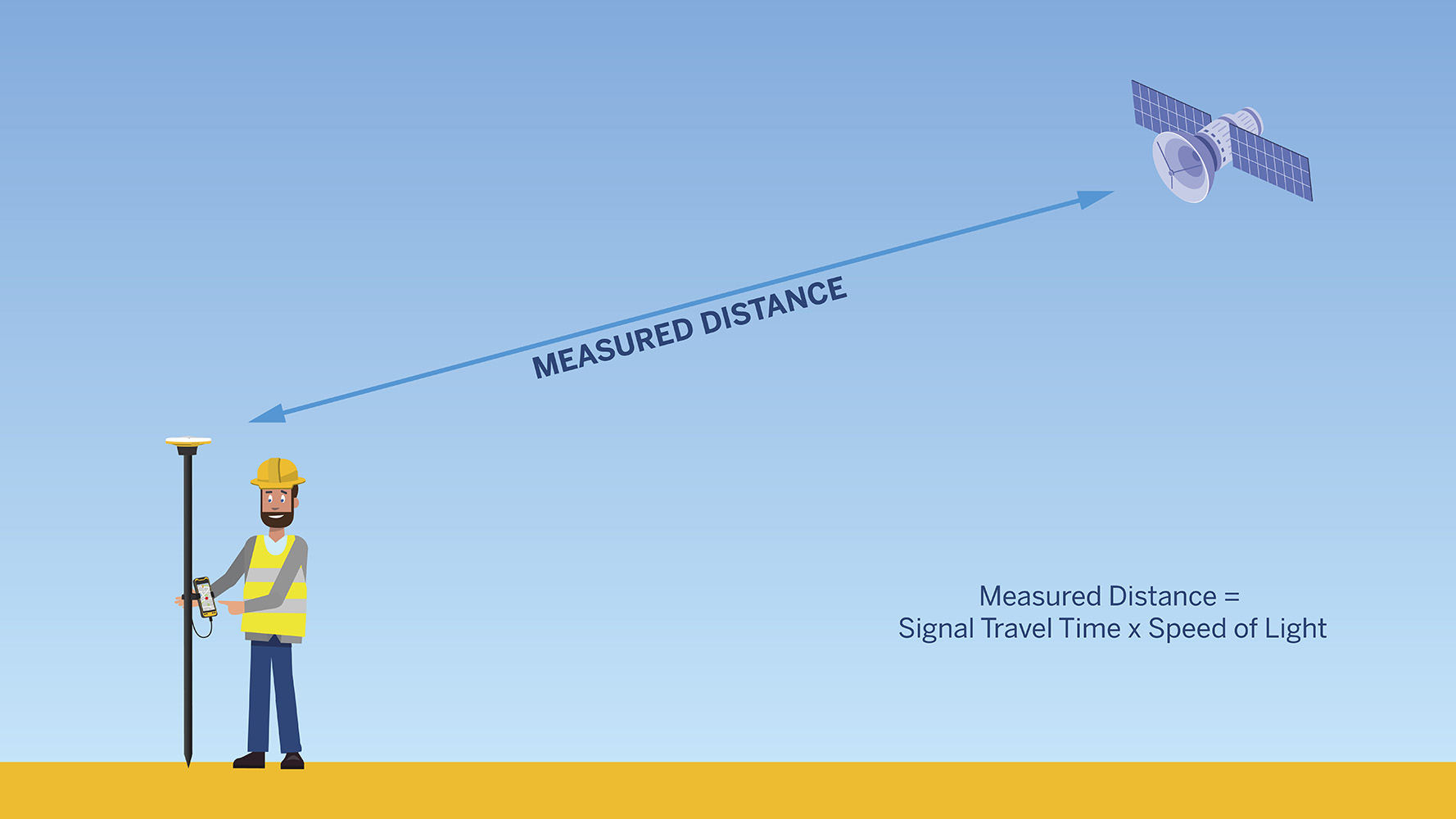
A GNSS receiver converts weak satellite signals into a position, velocity, and time fix. This guide covers receiver types, the bands they use, and how to harden them against interference for civilian UAV, infrastructure, and autonomous applications.
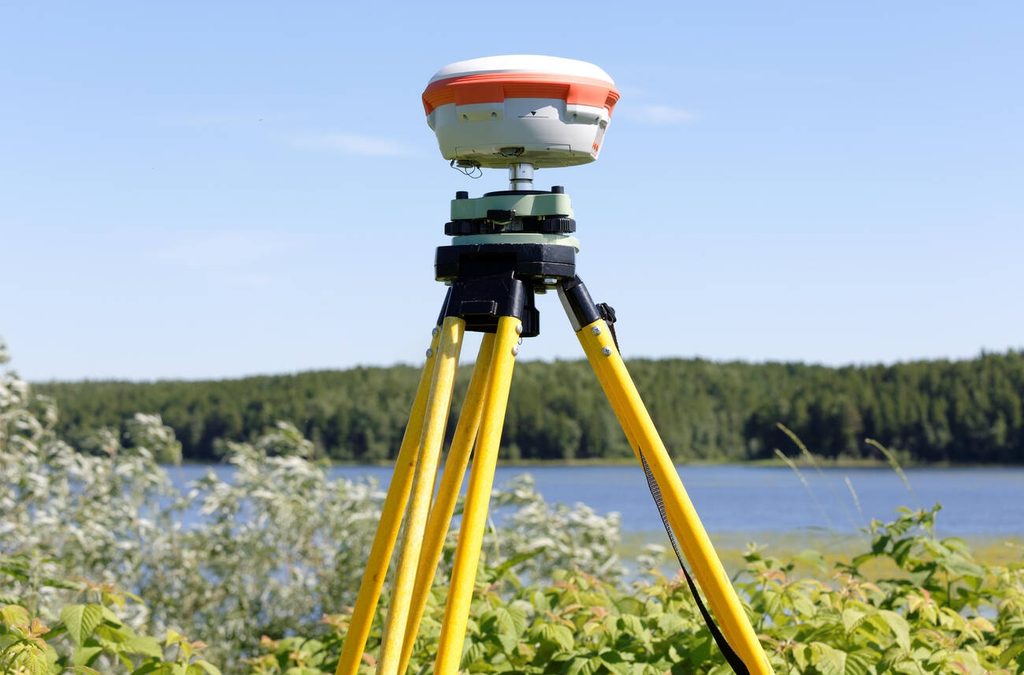
Receiver types
- Single-band (L1): cheapest, ~2–5 m accuracy, weak in遮挡 environments.
- Multi-band (L1+L5/E5/B2): meter-level to sub-meter depending on correction services, faster, more robust to multipath.
- RTK receivers: centimeter accuracy using correction data; common in surveying and agriculture.
- Timing receivers: optimized for nanosecond-level timing accuracy in telecom and grid sync.
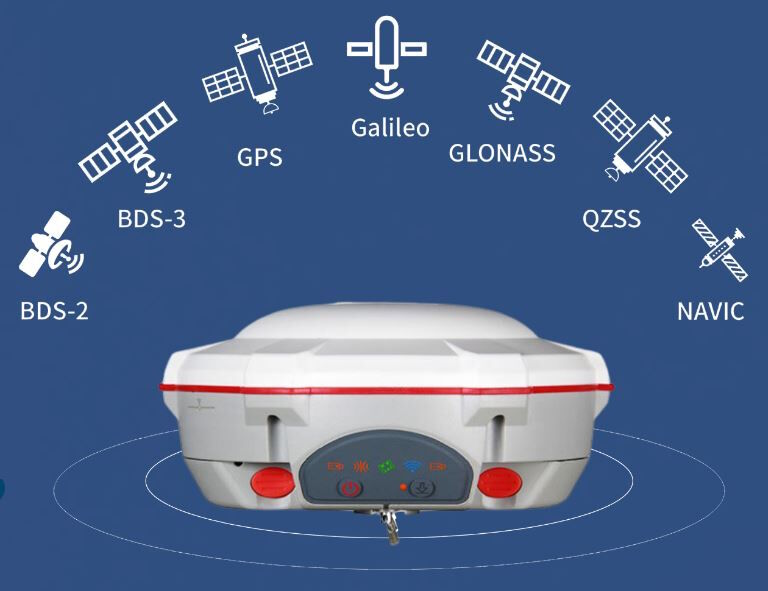
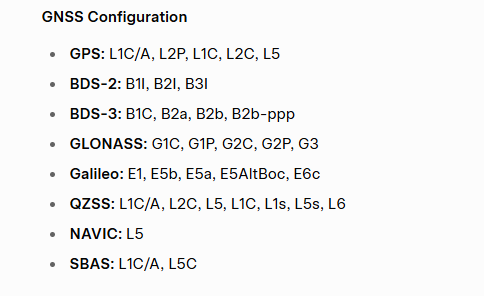
Bands matter for resilience
L5/E5/B2 signals use wider bandwidth and more advanced modulation schemes, improving tracking robustness, multipath resistance, and interference tolerance compared with legacy signals., improving availability under foliage or light interference. See the full GNSS frequency bands explainer.
| Application | Recommended receiver | Why |
|---|---|---|
| Consumer / logistics | Multi-band GNSS receiver | Better accuracy and availability |
| Surveying / agriculture | RTK multi-constellation receiver | Centimeter-level precision |
| Professional UAV / contested environments | Multi-band + CRPA antenna | Anti-jam protection |
| Critical timing | Timing-grade receiver + holdover OCXO | Continuity during GNSS outages |
Adding anti-jam protection
A receiver alone cannot reject interference. For contested environments, feed it from a CRPA (controlled-reception-pattern antenna) that forms nulls toward jammers, or add a spoofing detector. Our anti-jamming technologies overview compares approaches.
When the signal drops
Plan for GNSS outage with sensor fusion (IMU/INS) and interference detection so the platform knows when to distrust the fix.
Talk to engineering: request a technical brief.