
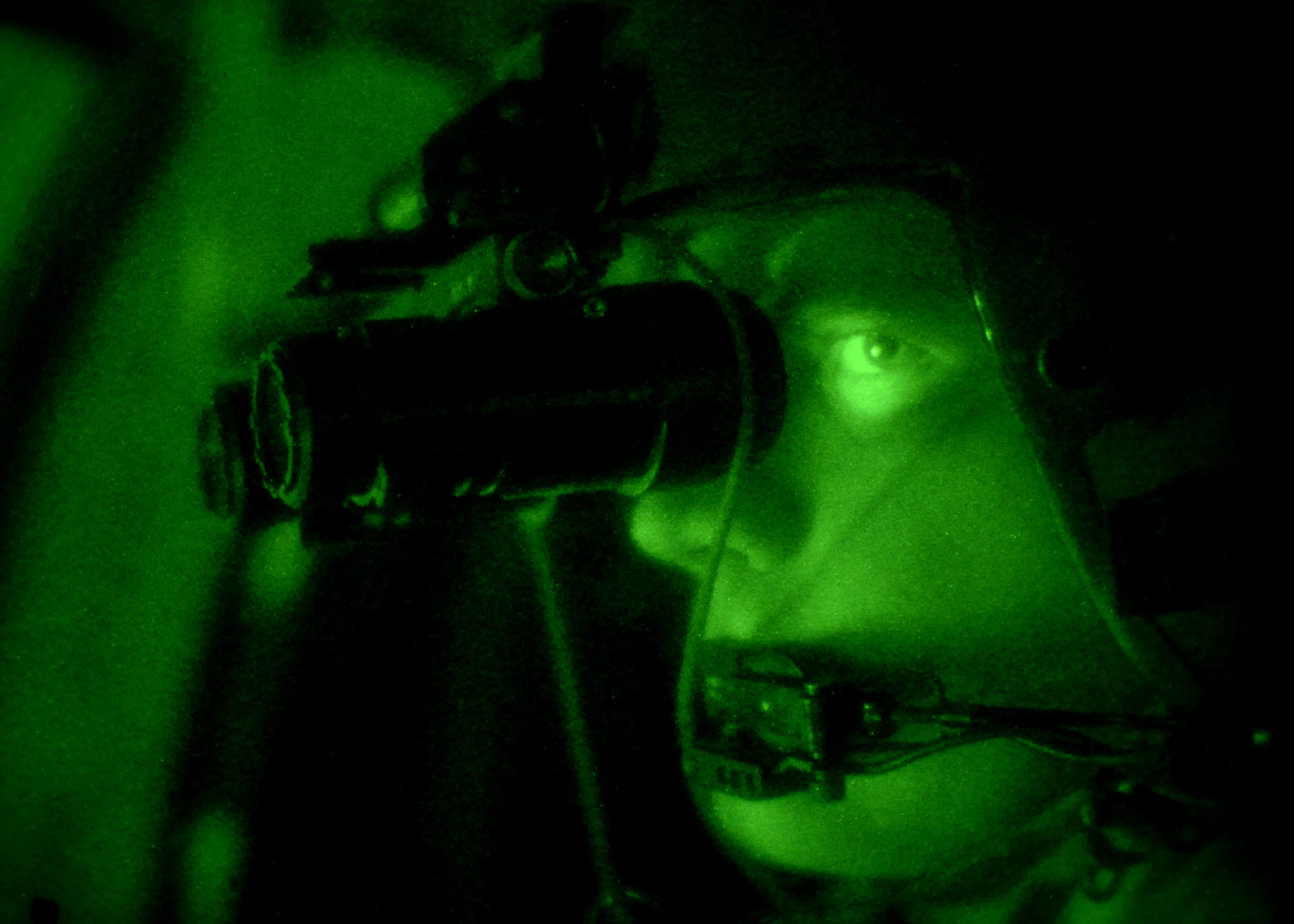
A night vision viewer is a handheld or helmet-mounted device that lets the user see in low light without using visible illumination. Unlike a fixed security camera, it is portable, battery-powered, and designed for real-time observation.
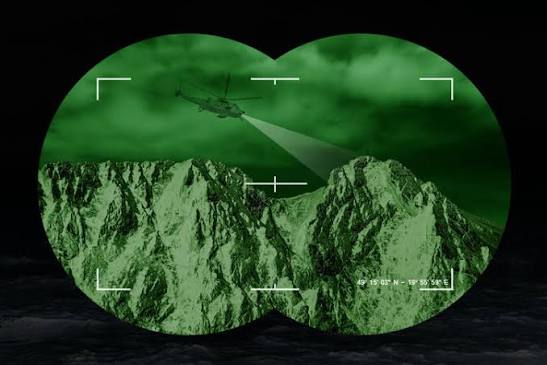
If you are evaluating a portable night observation device, the NT-C11 Full-Color Night Vision falls into this category. It is built around a compact CMOS sensor and OLED display, making it a viewer-first tool for SAR, patrol, and outdoor observation.
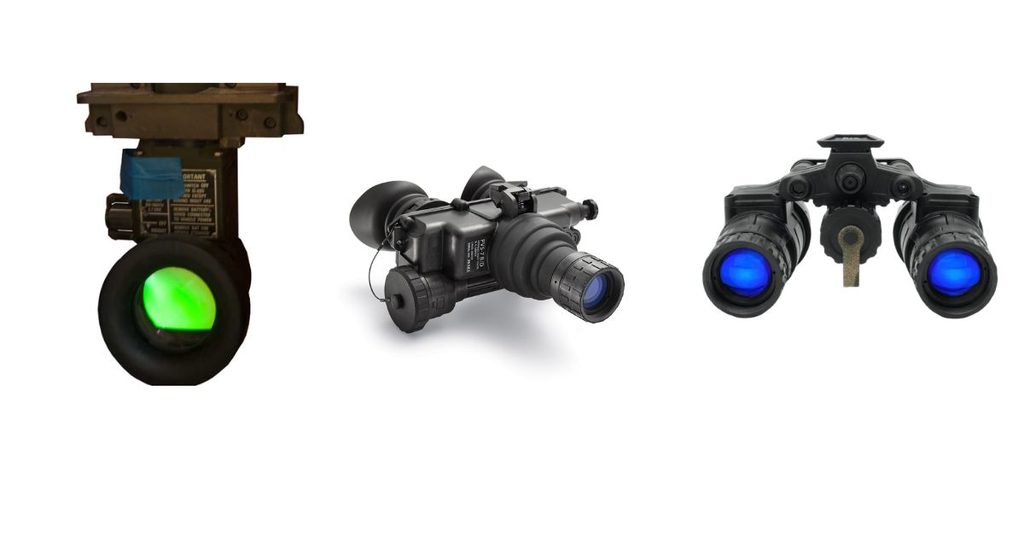
Viewer vs Goggles vs Binoculars
| Form Factor | How Used | Best For |
|---|---|---|
| Viewer / Monocular | Handheld or head-mounted, one eye | Observation, scanning, mobility |
| Goggles | Binocular, dual-tube, head-mounted | Hands-free navigation, depth perception |
| Binoculars | Handheld, two-eyed viewing | Stationary observation, surveillance |
What to Look for in a Night Vision Viewer
When making a purchase, do not blindly chase the highest specifications. First, ask yourself: Will I be conducting mobile searches in open terrain, or performing stationary surveillance from a fixed position? Depending on the answer, the following factors will carry vastly different levels of priority.
Quick-Selection Guide (Start here):
Mobile search/foot patrol → Lightweight (<300g) + Wide field of view (FOV ≥40°) + Standard batteries (18650); image quality just needs to be adequate.
Stationary surveillance/observation & evidence gathering → High-resolution eyepiece (≥1024×768) + Optical zoom + External power support; weight is a secondary concern.
1. Core Low‑Light Sensitivity (Don’t just check for IR – look at the minimum illumination)
Key indicator: Sensor’s minimum illumination rating (in lux). The lower the number, the better the performance in dim light (e.g., 0.0001 lux is far superior to 0.01 lux).
How to choose:
- For search & rescue or covert observation, prioritise passive‑imaging units (no IR illuminator) with extremely low lux values – this determines how far you can see under starlight.
- For factory or yard patrols (which usually have some ambient light), full‑colour night vision is more helpful because it lets you quickly distinguish colours (e.g., identifying uniform types).
Watch out: Many “full‑colour” devices automatically switch to black‑and‑white and force‑on the IR illuminator in very dark conditions. Always ask the seller: “Can it stay in full‑colour mode below 0.5 lux?” If not, that feature is largely a gimmick.
2. The “Bucket Effect” of Clarity (Sensor resolution ≠ eyepiece resolution)
Key indicators: You must check both the sensor resolution (e.g., 1080P / 4K) and the eyepiece (OLED) resolution (e.g., 720P / 1024×768).
How to choose:
- If you need to identify objects at long range (e.g., a human figure at 100 m), the eyepiece resolution matters more than the sensor – a low‑res eyepiece will waste all the fine detail captured by a high‑res sensor.
- If you mainly care about recording and later reviewing footage, prioritise sensor resolution (at least 1080P) and make sure the device supports TF card storage and Wi‑Fi live streaming.
3. Field of View vs. Magnification (Wide angle vs. seeing far)
Key indicators: Field of View (FOV, in degrees) and optical magnification.
How to choose:
- For handheld trekking or helmet‑mounted searching, prefer wide‑angle models with FOV ≥ 40°. A narrow FOV creates a “tunnel effect” that causes dizziness and makes you miss targets on the flanks.
- For fixed posts or observation points, prefer models with optical zoom (digital zoom degrades image quality and should be avoided unless absolutely necessary). If the lens is fixed‑focus, check the minimum focus distance – it should be < 0.5 m, otherwise close‑up viewing (maps, documents, IDs) will be blurry.
4. Battery Life and Power Strategy (Not just capacity, but supply convenience)
Key indicators: Battery type (standardised or proprietary) and runtime.
How to choose:
- 18650 cells are the first choice for fieldwork – they are widely available and easy to swap out with spares.
- Avoid built‑in, non‑removable proprietary batteries; even a large capacity is useless once drained. Instead, prefer models that support pass‑through charging via Type‑C (i.e., you can run the device directly from a power bank). That is the only genuine way to ensure worry‑free endurance.
5. Physical Controls and Wearable Fit (Decide if you can operate it one‑handed, by feel)
Key indicators: Button layout, weight (< 300 g is the baseline), and helmet‑mount compatibility.
How to choose:
- If you often wear gloves (e.g., in winter rescue operations), choose models with large, raised physical buttons – touchscreens or recessed buttons are a disaster in real‑world action.
- For helmet mounting, don’t just look at the total weight; the centre of gravity is equally critical. A front‑heavy device will cause neck strain within minutes. Choose a model whose centre of gravity sits close to the forehead, or confirm that the package includes a counterweight bracket to balance it.
Common Use Cases
Night vision viewers are used for wildlife observation, property patrol, search and rescue scanning, boating, and navigation in areas without street lighting. Because the NT-C11 outputs full color rather than green, it also helps observers identify objects faster under marginal light.
FAQ
What is a night vision viewer?
A portable, battery-powered device that displays a real-time low-light image for direct observation.
Can a viewer be mounted on a helmet?
Many monocular viewers can be helmet-mounted with an aftermarket mount, though they are primarily designed for handheld observation.
Is a viewer better than goggles?
It depends on the task. Viewers are lighter and more affordable; goggles offer binocular depth perception and better hands-free navigation.
Most buyers land on a viewer first because it covers observation, scanning, and handheld work in one unit. The NT-C11 sits in that category with specs worth comparing before you buy.