
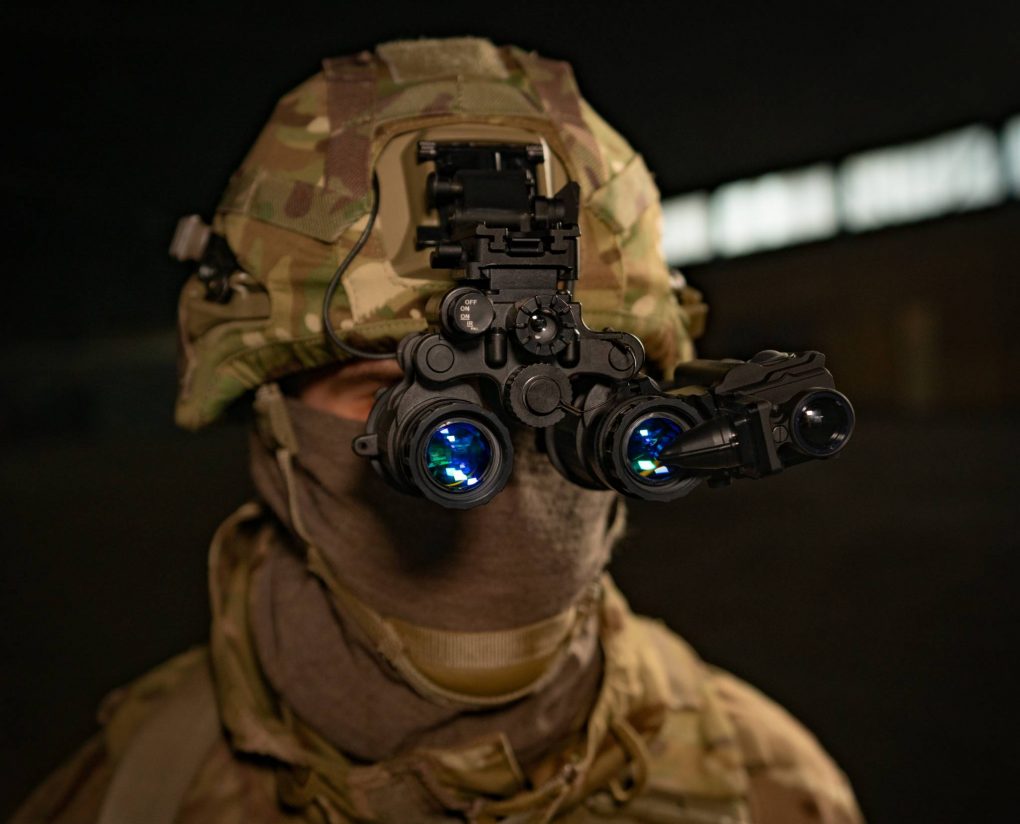
Search and rescue teams do not get to choose the conditions. They respond after dark, in bad weather, across water, and in terrain where street lighting does not exist. The right night vision device shortens search time, reduces crew fatigue, and improves the odds of finding a subject alive. But SAR has specific demands that not every night vision product meets.
This guide covers what makes night vision effective for SAR and how to match a device to your team’s operating environment. Our NT-C11 Full-Color Night Vision is one option designed around these priorities.
SAR Night Rescue – From Pain Points to Breakthroughs
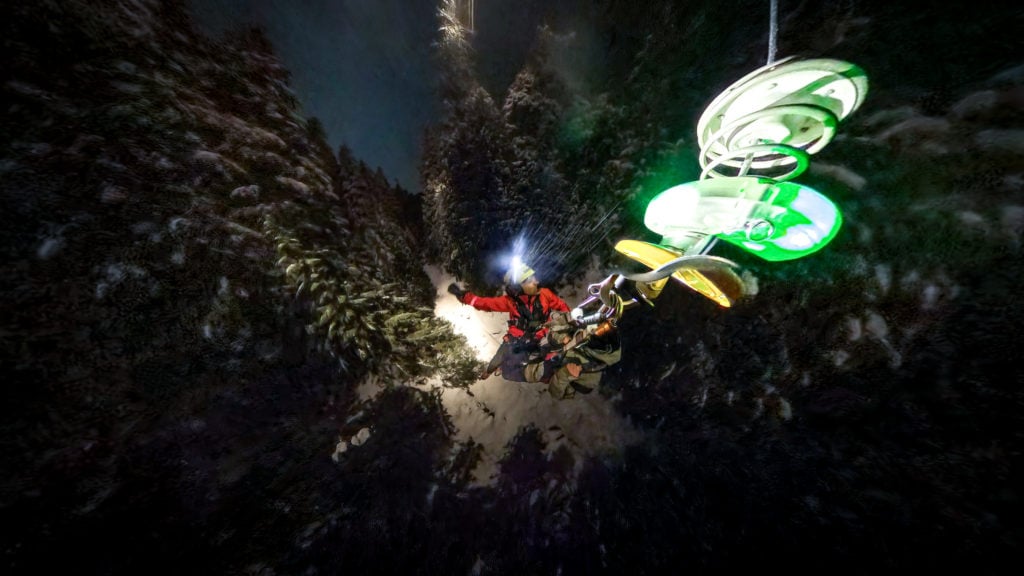
In a midnight mountain or sea rescue, every minute lost in identifying the target raises the survivor’s risk exponentially. Ground search teams often face the same stubborn challenges – and choosing the right equipment can make or break the mission.
Pain Point #1: Low search efficiency – “Narrow field of view forces endless backtracking and missed hiding spots”
The real enemy in night SAR isn’t darkness – it’s the peephole effect of a restricted view. Traditional high‑magnification devices squeeze the field of view so tight that rescuers must constantly swing their heads to scan, leading to rapid visual fatigue, dizziness, and the dreaded “tunnel vision” that lets a casualty slip by on the flank.
NT‑C11 Solution: A 42.5° ultra‑wide field of view (diagonal) lets you cover far more ground without frantic head movements. Paired with a 0.0008 lux@25Hz ultra‑low‑light sensor, it delivers crisp images under starlight alone. A single stationary sweep covers a wide swath, drastically cutting the time needed for area‑search passes.
Pain Point #2: Target misidentification – “I see a figure, but is it a stump, a bush, or the victim?”
Under traditional green‑phosphor night vision, everything blends into a monochrome haze. Rescuers can’t tell clothing colour, skin tone, or vegetation apart, so they waste precious energy moving closer to check – and sometimes miss the golden rescue window altogether.
NT‑C11 Solution: Full‑colour, day‑and‑night imaging that reproduces true hues, not the classic green wash. From over 100 metres away, a rescuer can instantly distinguish a blue jacket or an orange life vest against grey‑green foliage – raising target confirmation to an intuitive, “natural‑eye” level and cutting out wasted back‑and‑forth.
Pain Point #3: Exposure and disturbance – “The moment I turn on IR, I light up like a beacon”
Active IR illumination (with its tell‑tale red glow) makes a rescuer painfully conspicuous in the dark – it can spook the survivor or wildlife, and worse, turn you into a clear target.
NT‑C11 Solution: No IR illuminator at all – pure passive low‑light technology. It emits zero light of any kind, so your team stays hidden while seeing first. You can approach safely and covertly, without alarming animals or alerting hostile subjects.
Pain Point #4: Physical exhaustion – “Heavy gear drains your strength on long mountain treks”
Rescuers already carry 15+ kg of ropes, medical kits, water, and comms gear. Add a night vision unit over 400 g and, after hours of helmet‑wear, that forward weight torques the neck and saps critical stamina long before the real work begins.
NT‑C11 Solution: The entire device weighs ≤285 g (including battery) – light enough for all‑day helmet or handheld use. Your team keeps its energy for climbing, carrying, and extraction, not for fighting a heavy load on their head.
Pain Point #5: Power anxiety – “Battery dies in the field, and there’s no way to recharge”
Remote rescue sites have no power outlets. If the unit has a built‑in, non‑replaceable battery, once it’s flat, the whole tool becomes a brick – and your operation stalls.
NT‑C11 Solution: A single standard 18650 replaceable cell gives ≥6 hours of run‑time (2200 mAh). Carry spare cells and perform a “hot‑swap” in seconds – no downtime. Add IP66 weather sealing and an operating range of –40°C to +55°C, and it shrugs off rain, frost, or desert dust.
Extra bonus features – hidden solutions from the spec sheet:
- Reading maps in the dark: Can’t see your paper map or device screen at night? The NT‑C11 focuses down to 250 mm – so you can bring it close to read maps, watches, or radio displays without taking the unit off.
- Instant response: When a call for help comes, waiting for a long boot‑up costs seconds you don’t have. The NT‑C11 cold‑starts in under 3 seconds – raise it to your eye and it’s ready, truly a “point‑and‑see” tool.
Recommended Features Checklist
| Feature | Why It Matters for SAR | NT-C11 Match |
|---|---|---|
| Min. illumination | Works under starlight | 0.001 lx |
| Detection range | Scan ridges and shorelines | 1,040 m human detection |
| Weight | Long carries | 285 g |
| Water/dust rating | Rain and river crossings | IP66 |
Deployment Tips
Keep the device accessible, not buried in a pack. SAR often involves short, repeated scans from a staging point. A monocular viewer can be lanyard-mounted to a chest rig for quick access. Train team members to use the device with one eye so the unaided eye retains natural night vision.
FAQ
SAR teams typically use monocular viewers or binocular goggles with high sensitivity, long detection range, and durable sealing.
Yes. Color helps identify clothing, terrain, and hazards faster than monochrome green night vision.
It varies by device. The NT-C11 is rated for approximately 1,040 m human detection under favorable conditions.
Search and rescue rewards gear that survives the conditions it is bought for. The NT-C11 checks the boxes listed above; if you want to verify it against your own operating environment, a field-use conversation is the practical next step.