
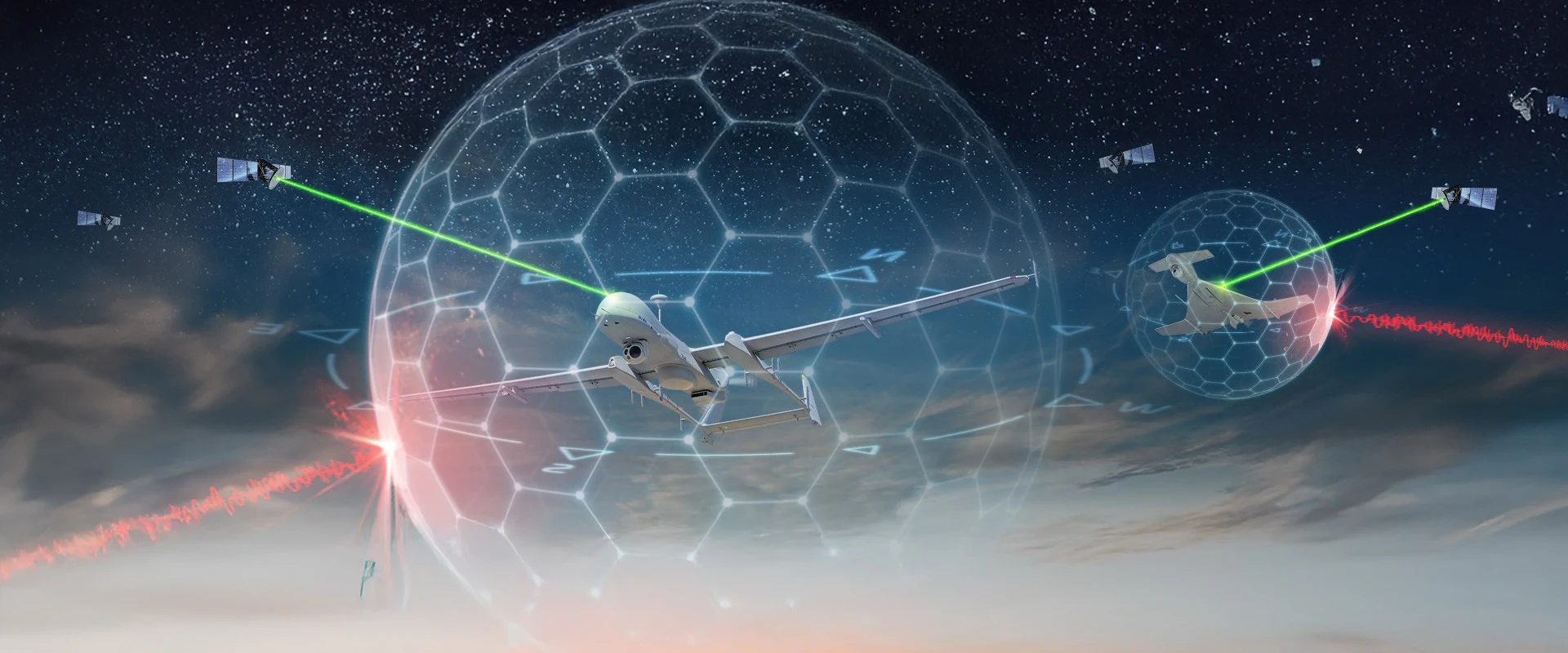
Aviation was among the first to depend on GNSS—for en-route navigation, approaches, surveillance, and unmanned systems. That dependence is now a liability where jamming and spoofing are routine. This article covers aviation-specific risks and the anti-jamming solutions that keep aircraft and drones positioned and safe.
How Aviation Depends on GNSS
- Crewed aviation: RNP/RNP-AR approaches, GBAS, and ADS-B all rely on accurate GNSS position and time.
- UAVs / drones: GNSS underpins stability, navigation, and geofencing; loss can mean fly-away or forced landing.
- Airports: timing and surface movement systems depend on GNSS-disciplined clocks.
Aviation Threats by Phase of Flight
| Phase | Dominant risk | Consequence |
|---|---|---|
| Ground / taxi | Local jamming | Surface confusion, timing errors |
| En-route | Regional denial | Lost RNP, reversion to older aids |
| Approach / landing | Spoofing | Misleading position near minimums |
| UAV operation | Both | Geofence breach, control loss |
Regulatory and Safety Context
Aviation authorities treat GNSS interference as a safety issue. Crews train to fall back to inertial and ground-based aids, but those backups have coverage and accuracy limits. The trend is toward assured PNT rather than graceful degradation.
Anti-Jamming Solutions for Aviation
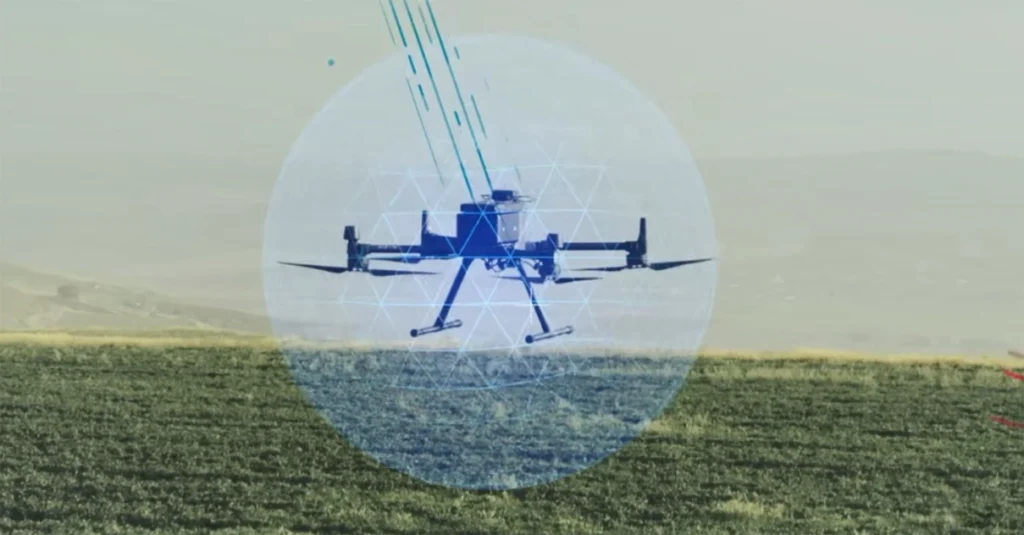
- UAVs / Drones (Low SWaP-C): Deploy lightweight 4-element CRPA modules (under 500g) that provide ≥3 independent spatial nulls, ensuring command link integrity and geofence adherence even under portable handheld jammers, with minimal impact on flight endurance.
- Crewed Aircraft (High-Inertia & Mission-Critical): Integrate certified 8-element CRPA avionics with deep INS/GNSS tight coupling. This architecture provides ≥7 adaptive nulling directions and continuous attitude/position propagation, allowing the aircraft to maintain RNP/RNAV precision through regional denial zones.
- Airport Infrastructure: Deploy high-stability GNSS-disciplined clocks with built-in RF monitoring, protecting critical timing references for GBAS and surface movement radar against both jamming and time-synchronization spoofing attacks.
Certification and SWaP Constraints
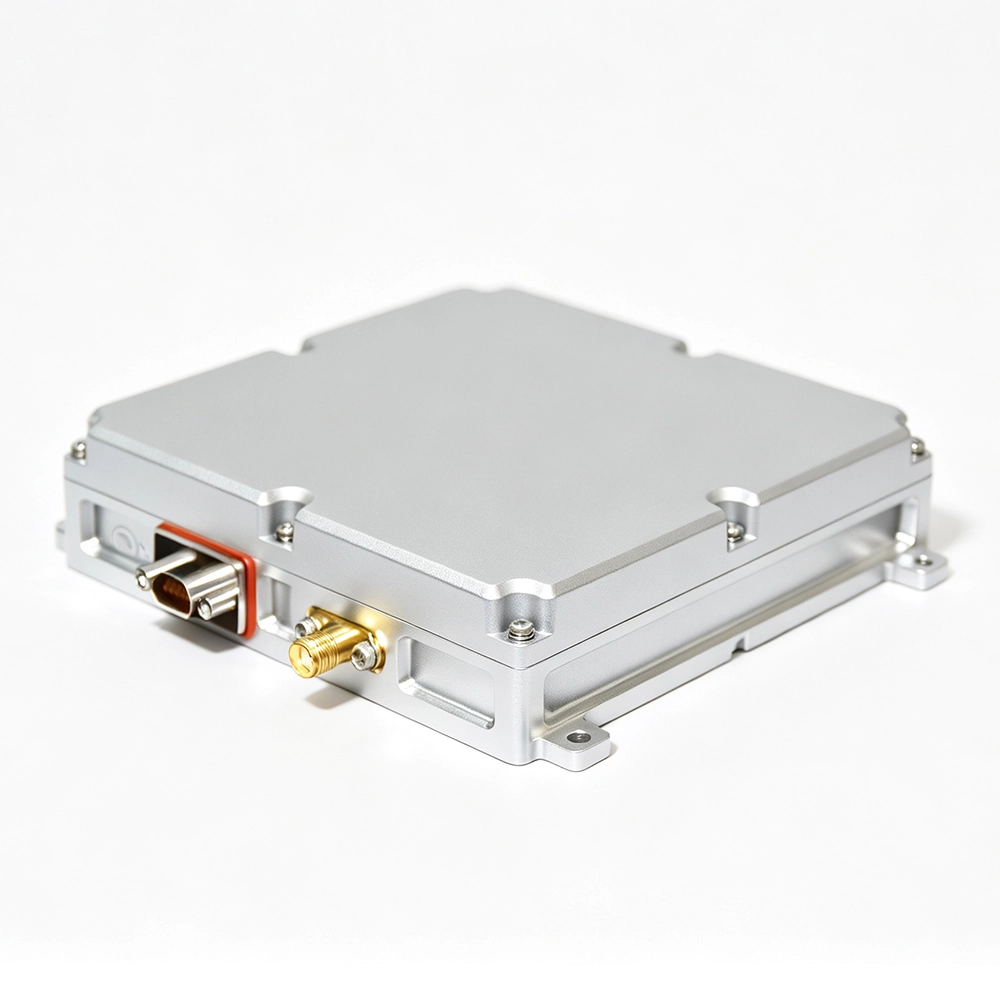
Aviation is unforgiving on size, weight, power, and certification (e.g., DO-160 environmental qual and TSO/ETSO approvals). Solutions must be airworthy, not just functional. We help operators match protection to platform and mission—see aviation-grade hardware.
Military Assured-PNT → Civil Aviation
The assured-PNT stacks proven in contested military environments—CRPA, authentication, INS fusion—are exactly what civil aviation is now adopting, repackaged for certification and commercial use. The technology transfers; the packaging changes.
Implementation Considerations
Define your protection profile through a route-specific threat assessment and fleet operational analysis. From there, match nulling depth and INS fusion levels to each platform’s mission-criticality. For advanced modules with restricted performance thresholds, please review our export compliance guidelines first. Contact our engineering team to confirm airworthy configurations and regional availability.
FAQ
Q: Can pilots detect spoofing in flight?
A: Sometimes, via cross-checks with inertial and ground aids, but spoofing can be subtle without protected receivers.
Q: Do drones need different protection than crewed aircraft?
A: Similar principles, but UAVs need lighter, lower-power modules and tighter geofence protection.
Q: Is this available for civil operators?
A: Many modules are; high-performance ones may need review—see export compliance.